Form Curves and Injuries: How They Influence Movement in Baseball Odds


Form Curves and Injuries: How They Influence Movement in Baseball Odds
Baseball may not be Ireland’s national pastime, but for Irish bettors who follow American sports, it’s a fascinating market full of subtle shifts and opportunities. Odds on Major League Baseball (MLB) games move constantly, shaped by everything from weather conditions to travel schedules. Yet two factors stand out as the most influential: team form and player injuries. Understanding how these elements interact can help bettors interpret market movements — and sometimes spot value before the odds adjust.
Form Curves – When Momentum Drives the Market
A team’s form curve is one of the clearest signals for both fans and bookmakers. When a team strings together a series of wins, confidence grows — not just within the clubhouse, but among bettors as well. This surge in optimism often pushes odds lower, as more people back the in-form side.
However, form can be deceptive. Baseball seasons are long, with 162 games per team, and even the best sides experience slumps. Smart analysts look beyond win–loss records to the underlying numbers: run differentials, bullpen performance, and advanced metrics like expected batting average or fielding-independent pitching. These indicators reveal whether a team’s success is sustainable or simply the result of good fortune.
A team that wins several close games might be overvalued, while one that loses narrowly could be underrated. For Irish punters following MLB markets, recognising when the public overreacts to short-term streaks can be the key to finding value.
Injuries – The Hidden Hand Behind Odds Movements
Injuries are perhaps the most immediate trigger for odds changes. When a key player — especially a starting pitcher — is ruled out, the market reacts within minutes. Bookmakers adjust quickly, but sharp bettors often move faster, particularly when news breaks on social media or through insider reports.
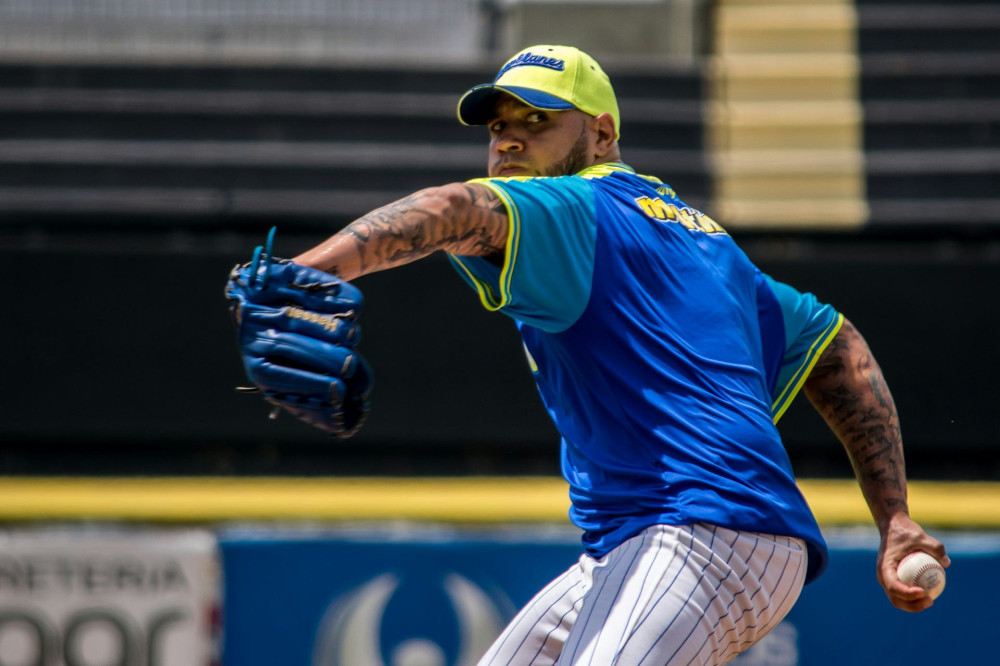
Pitchers carry unique weight in baseball betting. A top starter can dominate a game, so his absence can swing the odds dramatically. Position players matter too, especially elite hitters or defensive anchors, but their impact is usually smaller on a single-game basis.
Over the course of a season, injuries to the bullpen or rotation depth can also shift perceptions. A team missing several relievers may struggle in extra innings or tight contests, something that often shows up in live odds rather than pre-game lines.
When Form and Injuries Intersect
The most complex — and interesting — scenarios arise when form and injuries collide. A team on a hot streak can lose momentum if a star player goes down, while a struggling side might rebound when a key contributor returns. Bookmakers attempt to price these dynamics in, but markets are not always rational. Fans and bettors alike tend to overvalue “momentum” and underestimate how much a single injury can alter team chemistry.
For analytical bettors, the challenge is to identify when the market has overreacted to a headline injury or ignored its long-term implications. Timing and context are everything.
Data, Trends, and Timing
Modern baseball betting is increasingly data-driven. Advanced statistics such as WAR (Wins Above Replacement), FIP (Fielding Independent Pitching), and OPS (On-base Plus Slugging) help quantify a player’s true contribution — and therefore how much his absence should move the odds. Irish bettors who follow MLB closely can use these metrics to gauge whether the market’s reaction to an injury or form streak is justified.
Monitoring market movements is equally important. A sudden odds shift without clear explanation can hint at insider information — perhaps a lineup change or an unannounced injury. Recognising these patterns early can provide a crucial edge.
Læs også:



Conclusion: The Market Moves with the Game
Baseball odds are in constant motion, and form curves and injuries are two of the strongest forces behind those movements. For Irish bettors exploring the MLB markets, understanding how performance trends and player health interact is essential. It’s not just about predicting who will win, but about reading how the market thinks — and spotting when emotion, rather than evidence, drives the odds.
In a sport where information is everything, those who can interpret form and injury data effectively don’t just follow the market — they stay one step ahead of it.
Læs også: