Rules and Responsibilities: Why Protecting Horse Bettors Matters

Rules and Responsibilities: Why Protecting Horse Bettors Matters
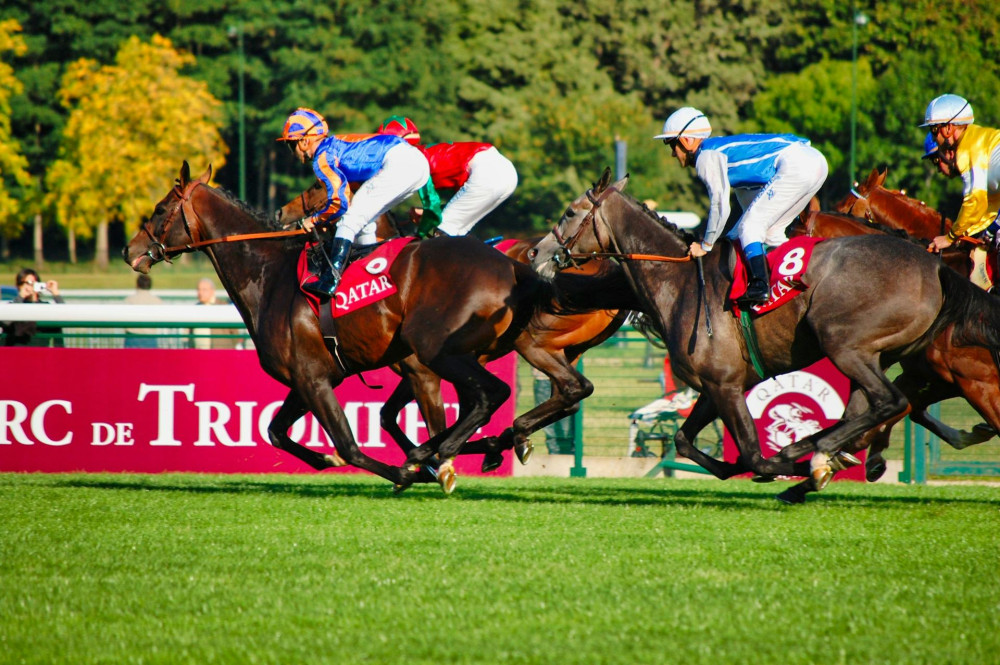
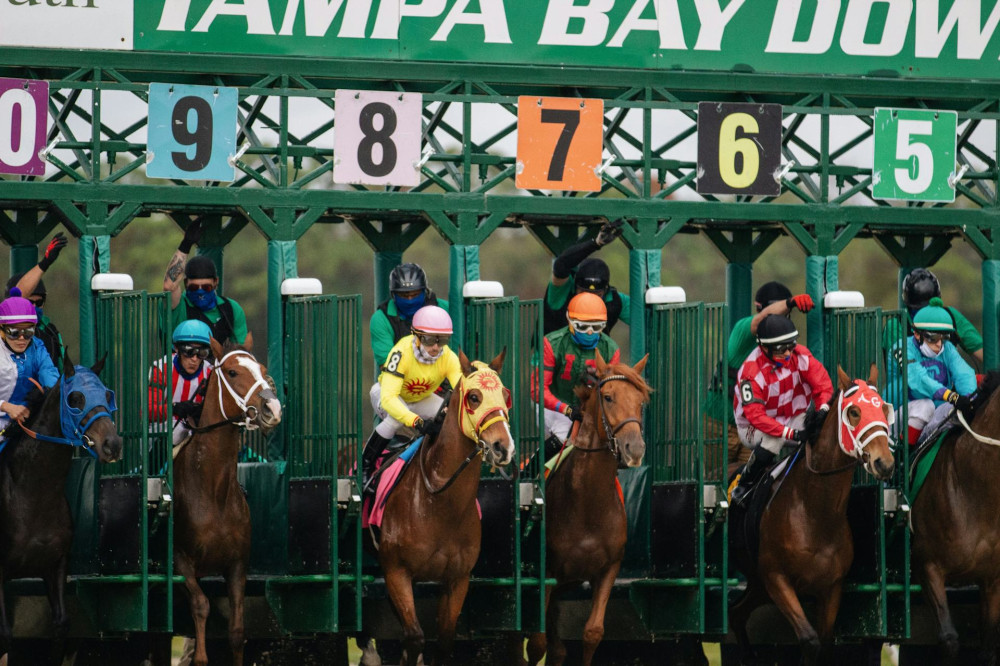
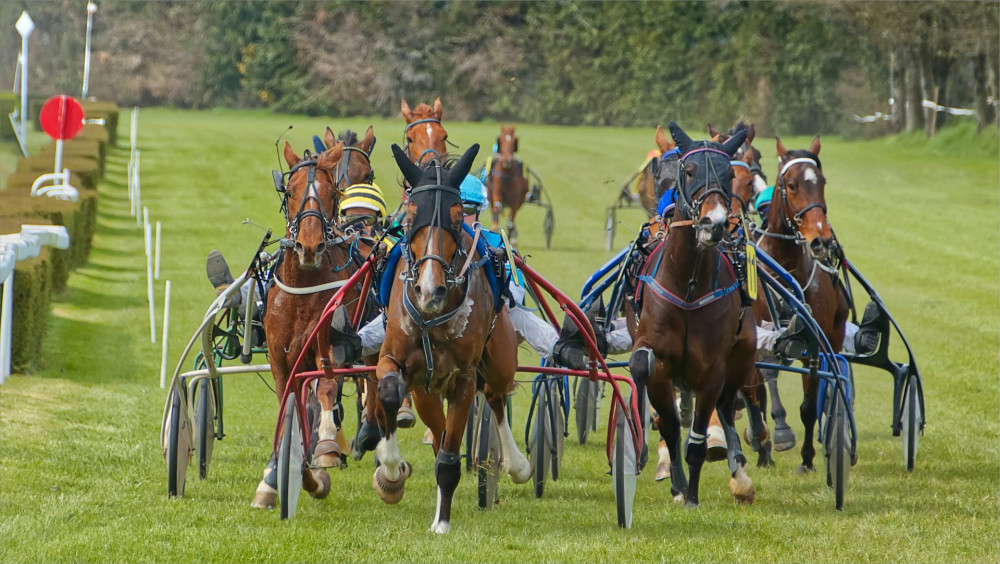
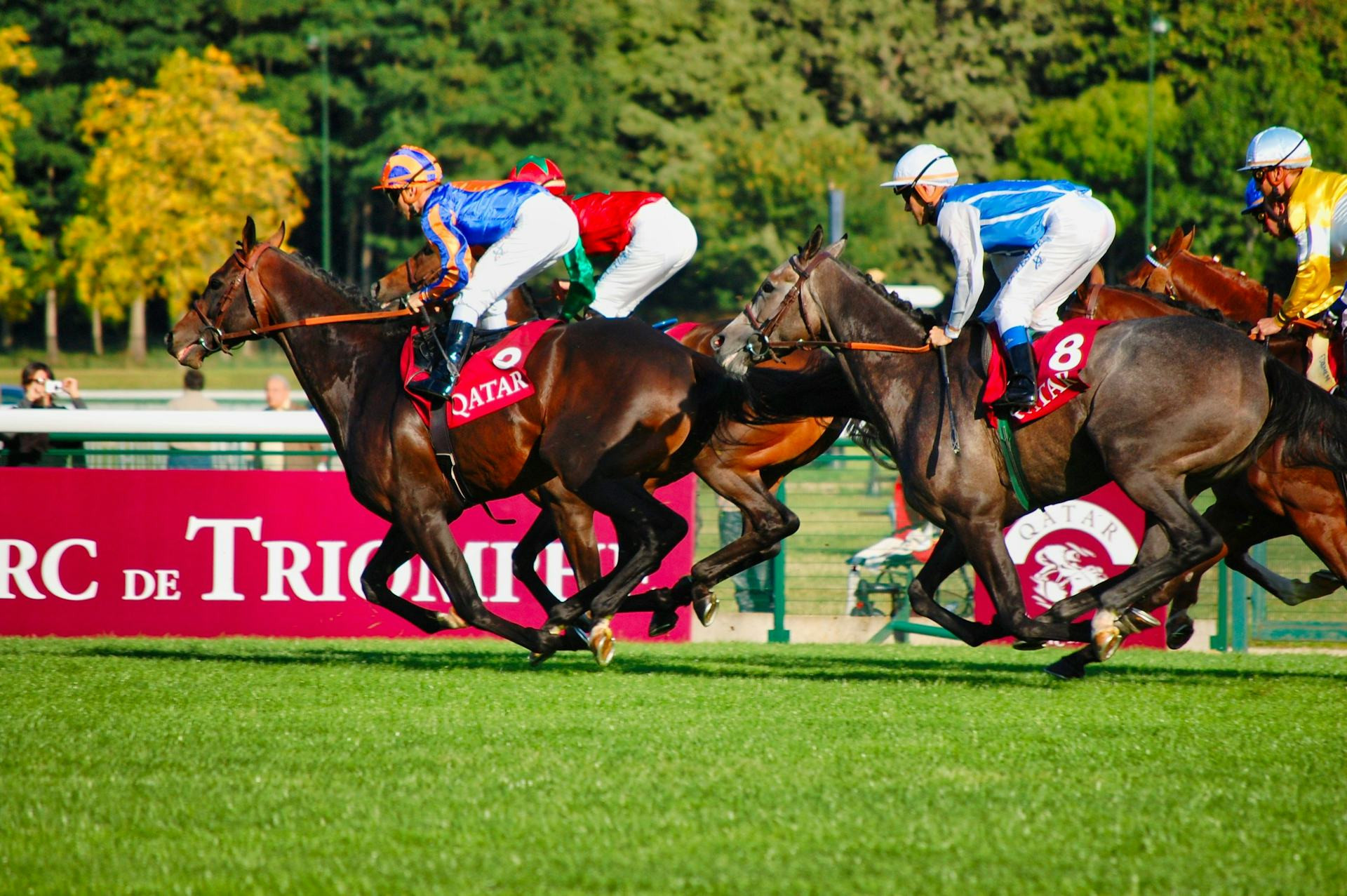
Horse racing has long been part of Ireland’s sporting and cultural identity. From the excitement of the Galway Races to the prestige of the Irish Derby, the sport brings together tradition, community, and competition. For many, betting on horses is part of the thrill – a way to engage more deeply with the races and share in the excitement. But with betting comes responsibility. Protecting horse bettors is not just about preventing gambling addiction; it’s about ensuring fairness, transparency, and trust in a sector where passion and money often meet.
A Changing Betting Landscape
In recent years, the way people bet has changed dramatically. Where once you had to visit a bookmaker or attend a racecourse, today you can place a bet online at any hour. This convenience has made betting more accessible, but it has also increased the risk of problem gambling and impulsive behaviour.
That’s why responsible gambling has become a central focus for regulators and operators alike. Licensed betting companies in Ireland must follow strict rules on player verification, age checks, and monitoring of betting patterns. The goal is to maintain the fun and excitement of horse racing while ensuring that boundaries are clear and support is available when needed.
Why Protection Matters
Protecting horse bettors is about more than preventing financial loss. It’s about safeguarding the integrity of both the sport and the betting industry. If bettors feel that odds are unfair, that information is hidden, or that operators act irresponsibly, confidence in the entire system can erode.
Moreover, betting can become problematic for some individuals. The highs and lows of wins and losses can lead to compulsive behaviour, where gambling stops being entertainment and becomes a source of stress or harm. That’s why it’s essential to have tools, education, and support systems in place to help people stay in control.
Rules That Make a Difference
In Ireland, the betting industry is regulated by the Department of Justice and the Revenue Commissioners, with new oversight expected under the forthcoming Gambling Regulation Bill. These frameworks aim to create a safer and more transparent environment for all bettors. Key measures include:
- Licensing requirements: Only licensed operators can offer betting services in Ireland, ensuring they meet standards for fairness, transparency, and responsible conduct.
- Age restrictions: You must be at least 18 years old to place a bet, whether online or in person.
- Self-exclusion options: Bettors can voluntarily exclude themselves from gambling platforms through tools like GAMSTOP or operator-specific schemes.
- Advertising rules: Marketing must not target minors or suggest that gambling is a solution to financial or personal problems.
- Support and information: Operators are required to provide clear information about the risks of gambling and direct players to help services such as GamblingCare.ie or Problem Gambling Ireland.
These rules are not designed to take the fun out of betting, but to ensure that it remains a safe and enjoyable pastime.
The Role of Betting Operators
Bookmakers and online betting companies play a crucial role in protecting horse bettors. Beyond legal compliance, they have an ethical duty to promote responsible gambling. Many operators now use data analysis to identify risky behaviour – such as frequent deposits, chasing losses, or betting at unusual hours – and intervene with advice, limits, or temporary account suspensions.
Responsible marketing is equally important. Advertising should be honest, balanced, and never exploit vulnerable individuals. By maintaining transparency and integrity, operators can build long-term trust with their customers and support the sustainability of the sport.
Bettors’ Own Responsibility
While regulation and oversight are vital, individual responsibility also matters. Betting should always be a form of entertainment, not a financial strategy or emotional escape. Bettors can protect themselves by:
- Setting a clear budget and sticking to it.
- Avoiding the urge to chase losses.
- Taking regular breaks from betting.
- Seeking help if gambling starts to feel overwhelming.
Knowing your limits and recognising when to step back are key parts of responsible play.
Læs også:

A Shared Effort for a Healthy Betting Culture
Protecting horse bettors is a shared responsibility. Regulators set the framework, operators enforce it, and bettors make informed choices. When all parties work together, horse racing can continue to thrive as both a sport and a social experience – one that celebrates skill, tradition, and community without compromising wellbeing.
Ultimately, it’s about balance: keeping the excitement of the races alive while ensuring that everyone involved can enjoy the experience safely. By promoting responsibility and care, Ireland can preserve the integrity of its racing heritage and the enjoyment of those who love to bet on it.
Læs også: