The market stabilises before the race starts: Why timing is crucial

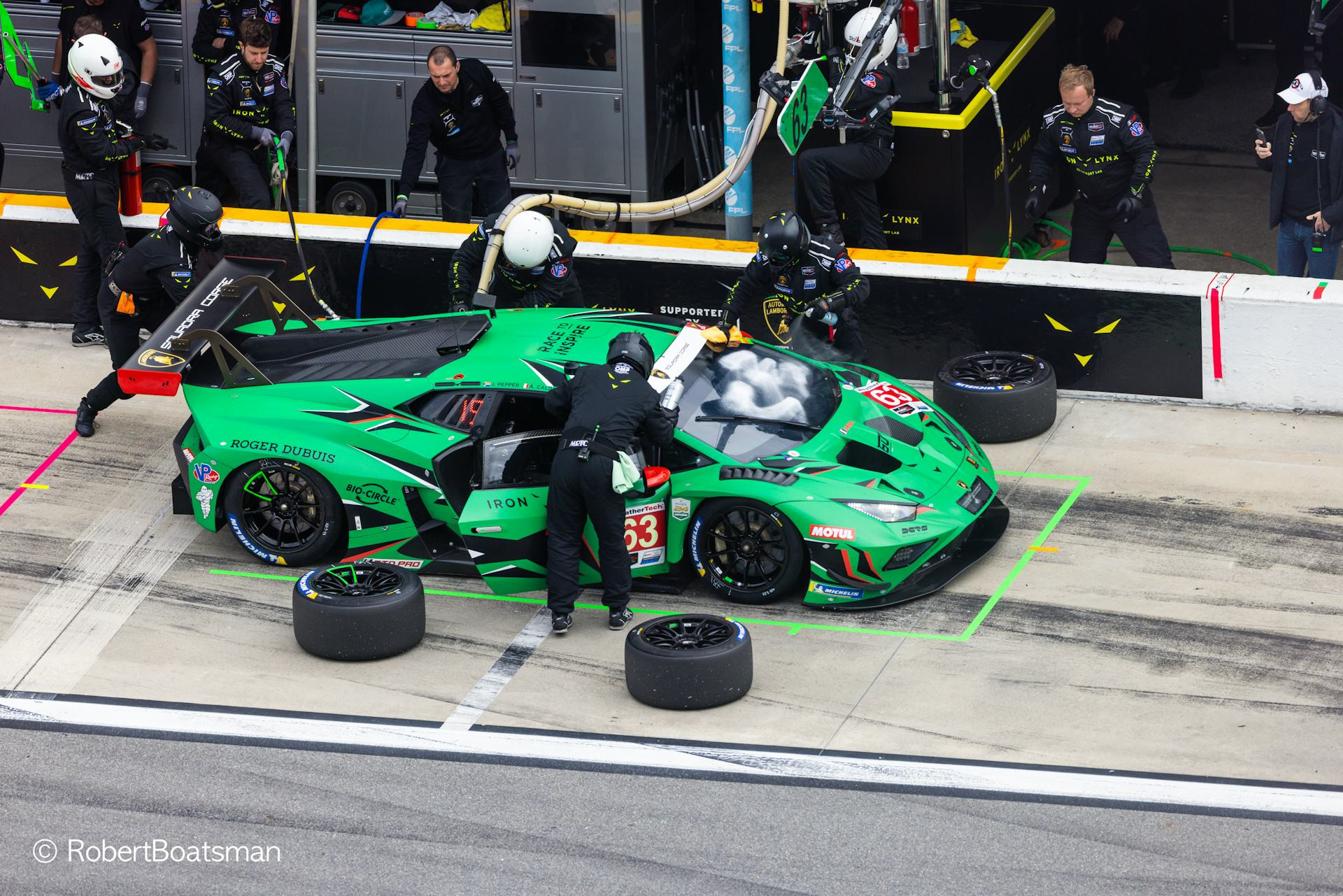
The market stabilises before the race starts: Why timing is crucial
As the engines roar to life and the countdown begins, something interesting happens — not just on the track, but in the betting markets. In the days leading up to a race, odds fluctuate with every rumour, practice result, and weather forecast. But as race day approaches, the market begins to settle. Prices find their level. For motorsport bettors, this is the moment when timing becomes everything. Knowing when to place your bet can be the difference between finding value and chasing shadows.
From speculation to stability
In the early part of race week, uncertainty dominates. Bookmakers adjust their odds constantly as new information emerges — a team update, a change in weather, or a driver’s unexpected performance in practice can all shift the lines dramatically. The most experienced punters use this phase to spot value before the market reacts.
But as the weekend progresses, more data becomes available. Practice sessions and qualifying runs reveal the true pace of the cars, and bookmakers refine their models accordingly. The result is a more “efficient” market, where odds more accurately reflect real probabilities.
When is the best time to bet?
There’s no single right answer — it depends on what kind of bettor you are.
- The early bettor thrives on uncertainty. The goal is to identify mistakes in the bookmaker’s initial pricing before the market corrects itself. This approach demands insight, quick reactions, and a good sense of how news and rumours affect odds.
- The patient bettor waits for the market to settle. Here, volatility is lower, and decisions can be made on a more solid foundation. It’s a strategy suited to those who prefer stability over speculation.
In practice, many combine both approaches: placing early bets when clear value appears, then adjusting closer to race time as the picture becomes clearer.
Market movements as a guide
Watching how the market moves can reveal a lot. A sharp drop in odds usually means that many bettors have spotted the same value — or that new information has shifted the probabilities. Conversely, rising odds can signal that the market now sees a lower chance of success.
However, not every movement tells the full story. In motorsport, where small details can have big consequences, markets sometimes overreact to a single event — a minor crash in practice, or a misleading weather update. Skilled bettors learn to recognise when an odds shift has gone too far, creating new value in the opposite direction.
Timing and psychology
Timing isn’t just about numbers — it’s also about mindset. As the race approaches, excitement builds. Commentators, social media, and fan chatter can all influence perception. Many bettors get caught up in the moment, placing impulsive bets driven by emotion rather than analysis.
Keeping calm and sticking to your plan is one of the hardest — and most important — skills. The best bettors know that success doesn’t come from hitting the perfect moment every time, but from making consistently good decisions that yield positive value over the long run.
Læs også:

Learn from the market — and from yourself
Whether you bet early or late, it’s worth tracking your results. Note when you placed your bets and how the odds moved afterwards. Over time, patterns emerge: do you find more value in early markets, or do you perform better once the odds have stabilised?
This kind of self-analysis is one of the most effective ways to refine your betting strategy. The market evolves constantly — and so can you, if you learn from your own data.
Conclusion: Timing as a competitive edge
When the market stabilises before the race starts, it signals that information has been absorbed and odds now reflect reality more closely. For those seeking an edge, the key is understanding when uncertainty is an opportunity — and when it’s a risk.
Timing isn’t about luck; it’s about discipline, analysis, and experience. In motorsport, where margins are razor-thin, that principle holds true both on the track and in the market: those who master timing give themselves the best chance to win.
Læs også: