Combine Small Cycling Strategies into One Balanced Betting Approach

Combine Small Cycling Strategies into One Balanced Betting Approach
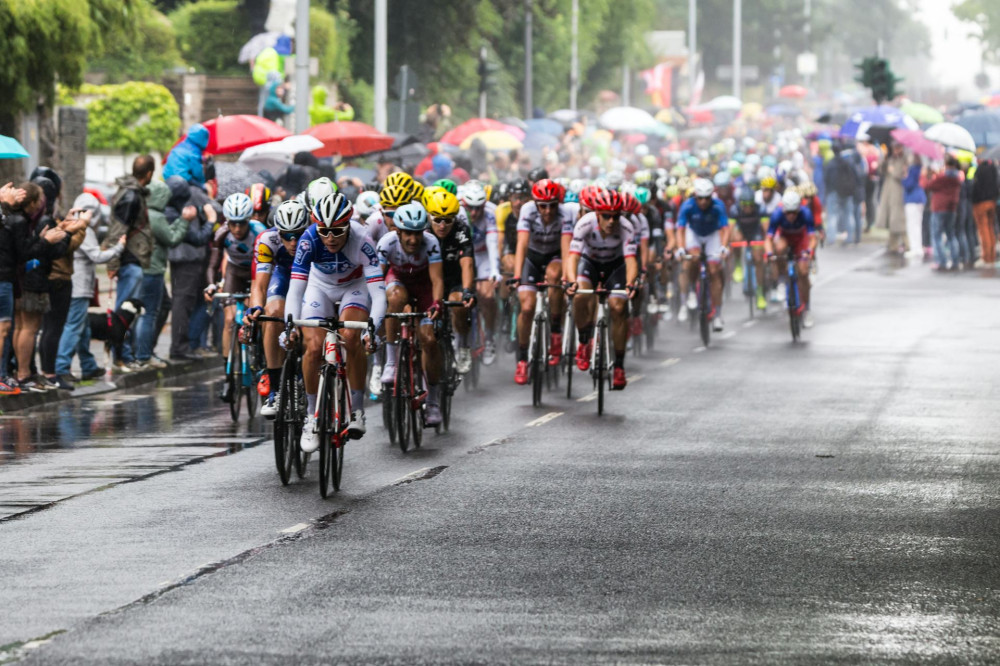
Cycling is unpredictable, intense, and full of tactical depth – which is exactly what makes it so fascinating for sports bettors. While some punters rely on a single betting method, it often pays to combine several smaller strategies into one balanced approach. The goal isn’t to find a “magic formula,” but to understand how different methods can complement each other and create more consistent returns over time.
Know the Small Strategies – and Their Strengths
There are many ways to analyse a cycling race, and each strategy has its own advantages. Some focus on riders’ form and training data, others on race profiles and terrain, while a third group looks at team tactics and support roles.
- Form-based strategy: This approach evaluates riders’ recent results, power data, and training updates. It’s great for spotting riders on the rise but can overlook tactical factors.
- Terrain and race profile strategy: Here, you assess how the route suits different riders – climbers on mountain stages, sprinters on flat finishes, or puncheurs on rolling terrain. It’s effective but requires accurate knowledge of weather and race dynamics.
- Team strategy: In modern cycling, team strength is crucial. A well-organised squad or a strong domestique can make all the difference. This strategy is valuable but harder to quantify.
By combining these three perspectives, you can build a more complete picture of a race – and make better-informed betting decisions.
Use Data – But Keep Context in Mind
Data analysis has become a cornerstone of cycling, and many bettors use statistics to estimate probabilities. But numbers alone don’t tell the full story. A high power output means little if a rider is fatigued from a recent Grand Tour or if crosswinds are expected to split the peloton.
The best approach is to treat data as a tool, not a verdict. Combine quantitative analysis with qualitative insights – such as interviews, team announcements, and race-day conditions. This balance gives you a more realistic sense of how a race might unfold.
Læs også:

Spread the Risk – and Think Long-Term
A balanced betting approach is also about managing risk. Instead of placing a large stake on one favourite, consider spreading your bets across several riders or markets. For example, you might back a favourite for the stage win while also betting on an outsider for a top-10 finish.
This diversification reduces the risk of major losses and helps build steady profits over time. Many experienced bettors use unit staking – fixed bet sizes – to avoid emotional decisions after wins or losses.
Learn from Each Race – and Adjust Continuously
Cycling evolves constantly. New talents emerge, teams change tactics, and race routes are redesigned every season. Your betting strategy should evolve too.
After each race, review what worked and what didn’t. Maybe you overestimated a rider’s form or underestimated a team’s ability to control the peloton. Keeping a simple log of your bets and outcomes helps you refine your approach and identify patterns over time.
The Mental Balance – Key to Sustainable Betting
Even the best strategy can fail if you lose focus. Betting on cycling requires patience and discipline. It’s easy to get caught up in the excitement, especially during major events like the Tour de France or the Giro d’Italia.
A balanced approach also means knowing your limits. Set clear boundaries for how much you’re willing to stake, and stick to them – even when results fluctuate. This keeps betting enjoyable and sustainable in the long run.
A Holistic Approach Brings Clarity and Control
Combining small cycling strategies is ultimately about gaining perspective. When you understand how form, terrain, team tactics, and data interact, you get a more realistic view of race outcomes.
That holistic understanding is what separates impulsive punters from analytical ones. And it’s in that balance – between intuition and analysis, between risk and control, between excitement and strategy – that you’ll find lasting success in cycling betting.
Læs også: