Learn from the Past: Use Previous Cycling Seasons to Improve Your Betting

Learn from the Past: Use Previous Cycling Seasons to Improve Your Betting
Cycling is unpredictable, dramatic, and full of surprises – but it also rewards those who understand the patterns behind the results. If you’re interested in betting on cycling, historical data and past seasons can be your best source of insight. By analysing how riders, teams, and race types have evolved over time, you can improve your chances of making informed decisions. Here’s a guide to how you can learn from the past to become a smarter cycling bettor.
Understand Riders’ Performance Patterns
A rider’s form rarely follows a straight line. Some hit top shape early in the season, while others build towards the summer’s Grand Tours. By looking at previous seasons, you can identify patterns: When does a rider usually peak? How do they handle tough stage races or poor weather?
For example, some riders traditionally excel in the spring classics but struggle when the mountains arrive. Others start quietly but become reliable contenders in the Tour de France or Vuelta a España. By comparing past results, you can anticipate when a rider is most likely to perform well – and find value in the odds.
Analyse Team Strategies
Cycling is not just about individual strength. Team tactics, composition, and priorities play a crucial role. Some teams focus on stage wins, while others target the overall classification. By studying previous seasons, you can see how a team typically allocates its resources.
A team that has successfully controlled races for its leader in the past will likely continue with a similar approach. On the other hand, a team undergoing changes – new sponsors, new riders, or a new sporting director – might shift its focus. Keep an eye on how teams have handled specific race types before; it can give you an edge when assessing who truly has a chance to win.
Weather, Terrain, and Race Type – History Repeats Itself
Certain races tend to favour specific types of riders. Paris-Roubaix rewards the powerful and technically skilled on cobblestones, while Liège–Bastogne–Liège demands endurance and climbing ability. By reviewing previous editions of a race, you can see which riders and teams thrive under particular conditions.
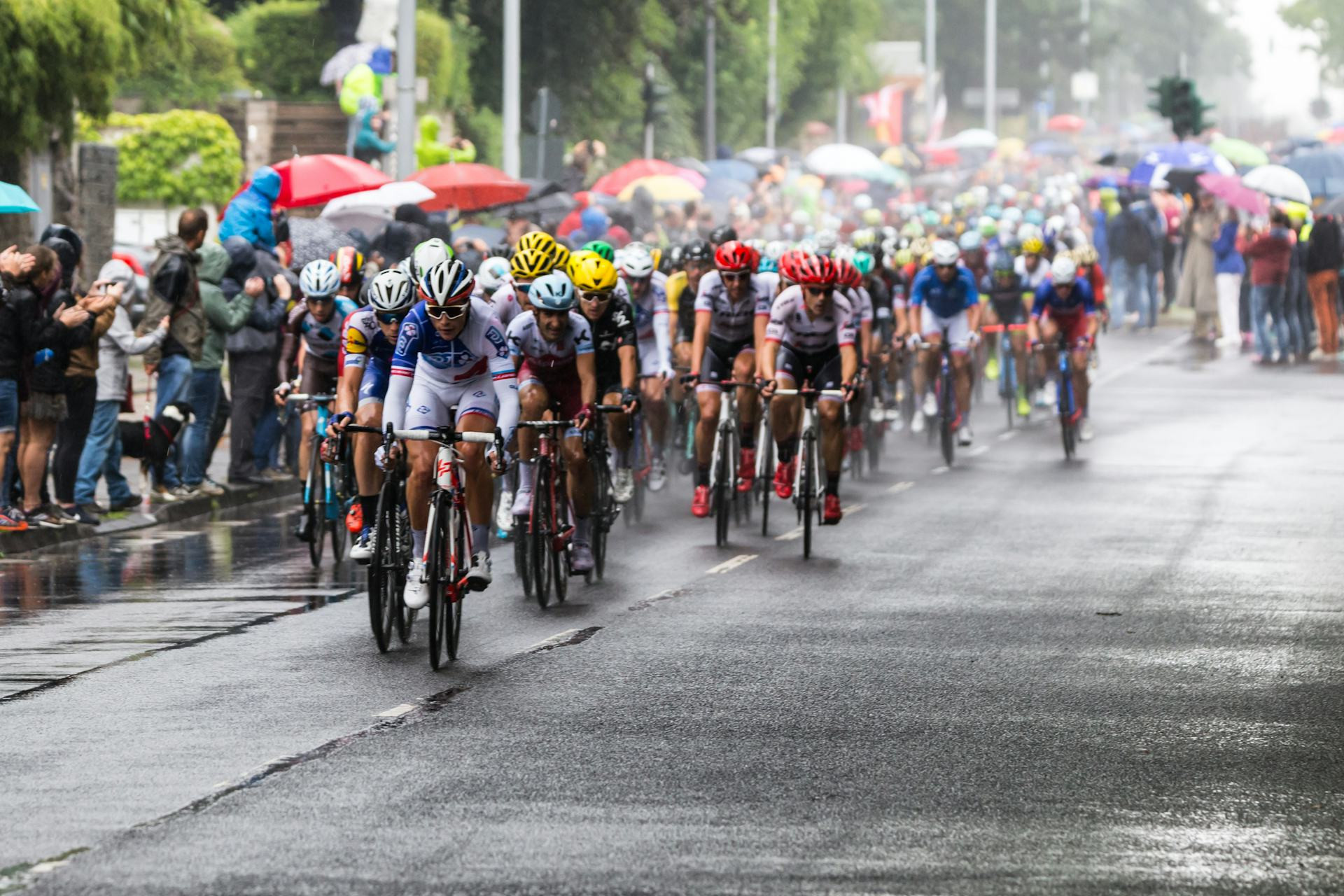
Weather also plays a major role. Some riders shine in cold and rain, while others fade. If you know how riders have performed in similar conditions before, you can use that as an indicator for their chances in the upcoming race. For Irish bettors, this can be especially relevant when assessing races in Northern Europe, where unpredictable weather often shapes the outcome.
Use Data – But Understand the Context
Statistics are a powerful tool, but they must be used wisely. A rider who has won many sprints isn’t necessarily the favourite if their team is now riding for another leader. Likewise, a rider with poor results last year may have changed teams, coaches, or equipment – factors that can make a big difference.
When analysing past seasons, combine the numbers with context. Read interviews, follow team announcements, and pay attention to changes in the race calendar. The best betting opportunities often arise where data meets insight.
Læs også:



Learn from Your Own Bets
Even the most experienced bettor gets it wrong sometimes. The key is to learn from your mistakes. Review your previous bets: What went well, and what did you overlook? Perhaps you underestimated a rider returning from injury or overestimated a favourite lacking team support.
By keeping a record of your bets and comparing them with actual race results, you can gradually refine your strategy. Over time, you’ll discover which types of bets suit your knowledge and risk appetite best.
The Past as Your Best Coach
Cycling is constantly evolving, but history often repeats itself in patterns and tendencies. By using previous seasons as a learning foundation, you can sharpen your understanding of the sport – and your betting decisions. It’s not about predicting the future with certainty, but about increasing the likelihood of making the right calls.
When you learn from the past, you don’t just become a better bettor – you also become a more attentive fan of a sport where strategy, strength, and timing are everything.
Læs også: